Free standard shipping within Australia on orders over $59.95. Other delivery options are calculated at checkout.Spend $59.95 more to reach free shipping!
Recently viewed
Search
How to Apply Dalray Limewash Paint
Step 1: Water
To mix the full 1.6kg bag: Add 3L of hot tap water (~50 °C) to a bucket. Do not use boiling or cold water, as this can make the paint grainy. This ratio produces a smooth finish with subtle variation; use slightly less water for a more textured look.
To mix a smaller batch: Use 300ml of hot water per 160g of powder, keeping the same ratio as the full bag. Aim for a consistency like whole milk — this may vary with ambient temperature and humidity. If too thick, add a little more water.
Step 2: Mix
Add the contents of your Dalray paint packet to the bucket. For best results, add the Limewash incrementally, not all at the same time.
Once added, mix thoroughly for 3 minutes until there are no lumps. The consistency should be similar to whole milk. If it is not, add more water.
Step 3: Paint
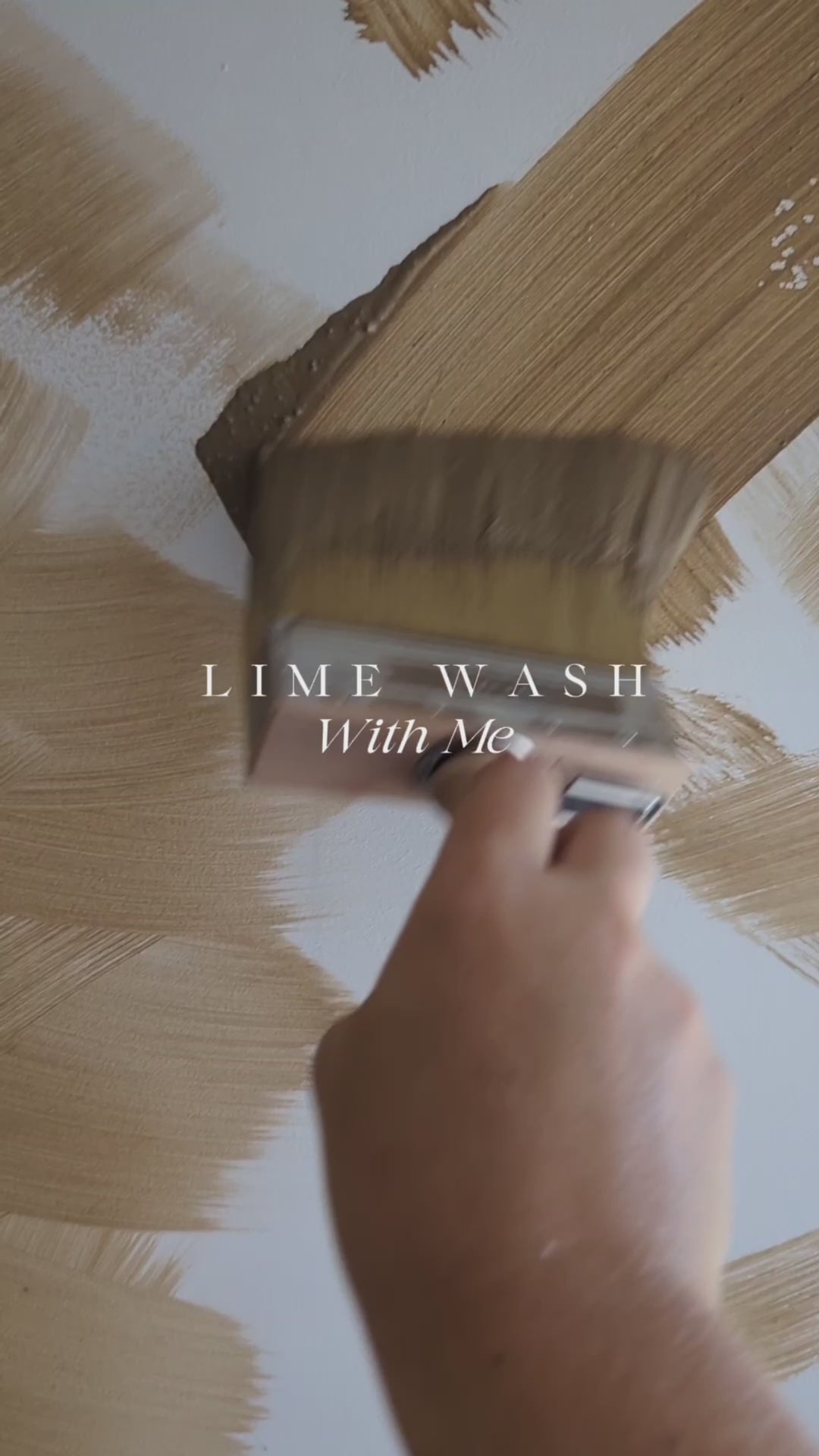
Apply to prepared walls with a block brush in criss-cross strokes. Where a primer is recommended, ensure it is fully dry before application. The colour will lighten substantially as it dries.
Wait 3–4 hours before the second coat. Between coats, cover leftover paint and store in a cool, dark place. If it thickens, add water and stir again.
Note: A slightly chalky feel or light surface transfer is a natural characteristic of limewash, particularly during curing. Dalray Limewash Primer helps reduce chalkiness and improve bonding. In higher-use areas, an appropriate sealer may be applied for additional durability and reduced surface transfer.
Priming & surface compatibility
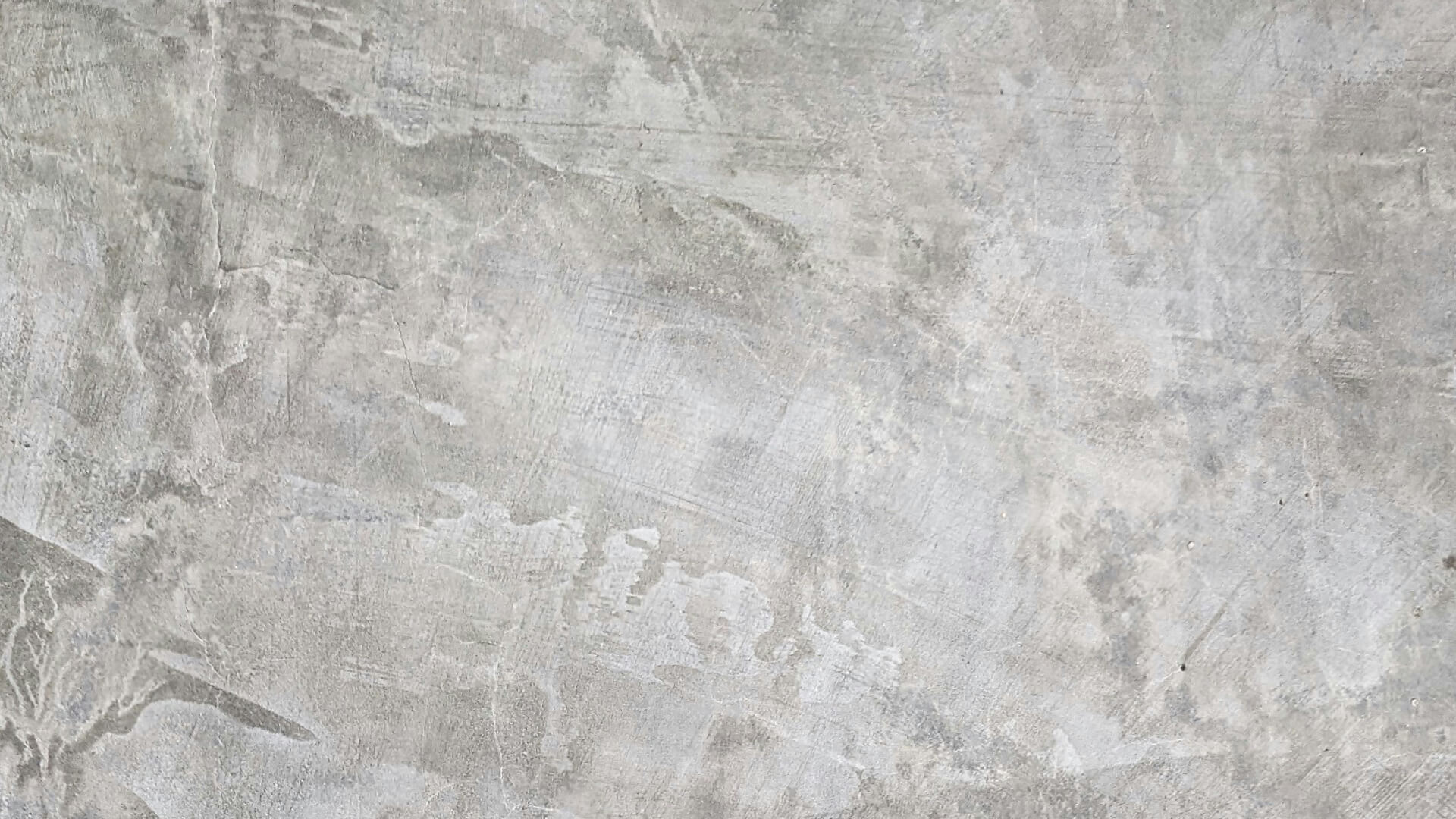
The appearance of our limewash paint may vary depending on the surface, lighting, and primer used. Subtle differences in colour or a slightly powdery texture are a natural characteristic of limewash. See below a list of compatible surfaces and whether they require primer. If a surface requires primer, please do not skip the priming stage as your limewash will have different results.
Painted interior walls
Primer recommended: Yes
On sound existing water-based painted walls, apply Dalray Limewash Primer. Use a suitable water-based acrylic undercoat first where repairs, sealing or colour neutralisation require it. Read the painted walls guide below.
Unpainted interior walls (plasterboard)
Primer recommended: Yes
Notes: Apply two coats of water-based acrylic undercoat first. Follow with Dalray Limewash Primer for best results.
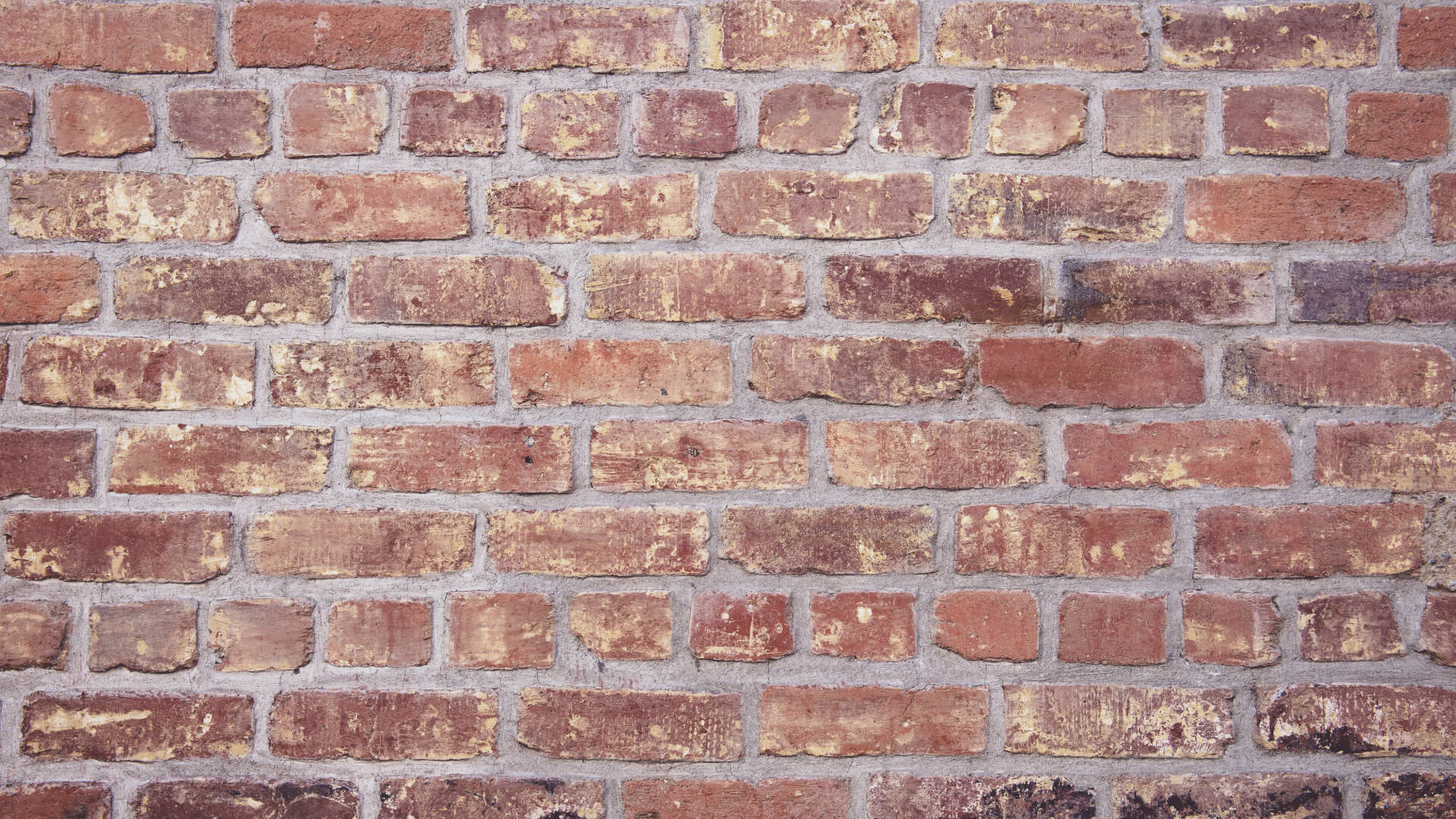
Unpainted brick
Primer recommended: No
Notes: Primer generally not needed due to higher absorption of paint. Coverage generally lower.
For highly exposed exterior applications, a compatible breathable mineral sealer designed for exterior use may be considered. Dalray Acrylic Sealer is for interior use only.
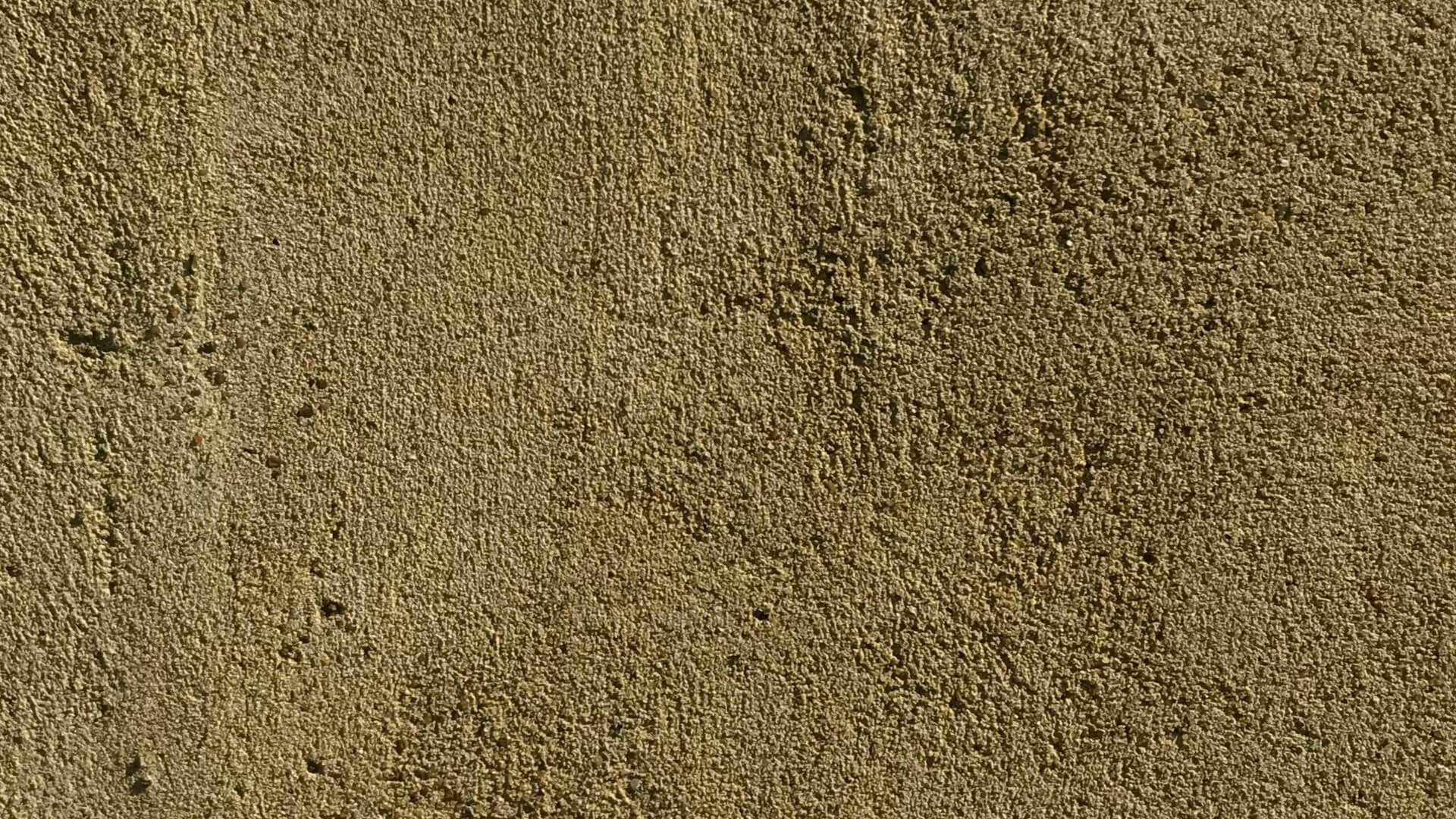
Render
Primer recommended: No
Notes: Primer generally not needed due to higher absorption of paint. Coverage generally lower.
For highly exposed exterior applications, a compatible breathable mineral sealer designed for exterior use may be considered. Dalray Acrylic Sealer is for interior use only.
Fibre cement (fibro)
Primer recommended: Yes
Notes: Fibre cement is a dense, low-absorbency surface. We recommend the Dalray Limewash Primer to regulate suction and improve bonding. A water-based undercoat is not required unless colour blocking is needed.
Other masonry
Primer recommended: Yes
Notes: Primer recommended. Coverage generally lower.
For highly exposed exterior applications, a compatible breathable mineral sealer designed for exterior use may be considered. Dalray Acrylic Sealer is for interior use only.
Recommended primers
Primer selection & surface preparation
Different surfaces require different preparation. In some cases, this may involve a water-based undercoat, a mineral prep coat, or both.
Water-based undercoat (sealing & colour control)
Use where the surface needs sealing or colour neutralisation, such as:
new or patched plasterboard
very dark existing paint colours
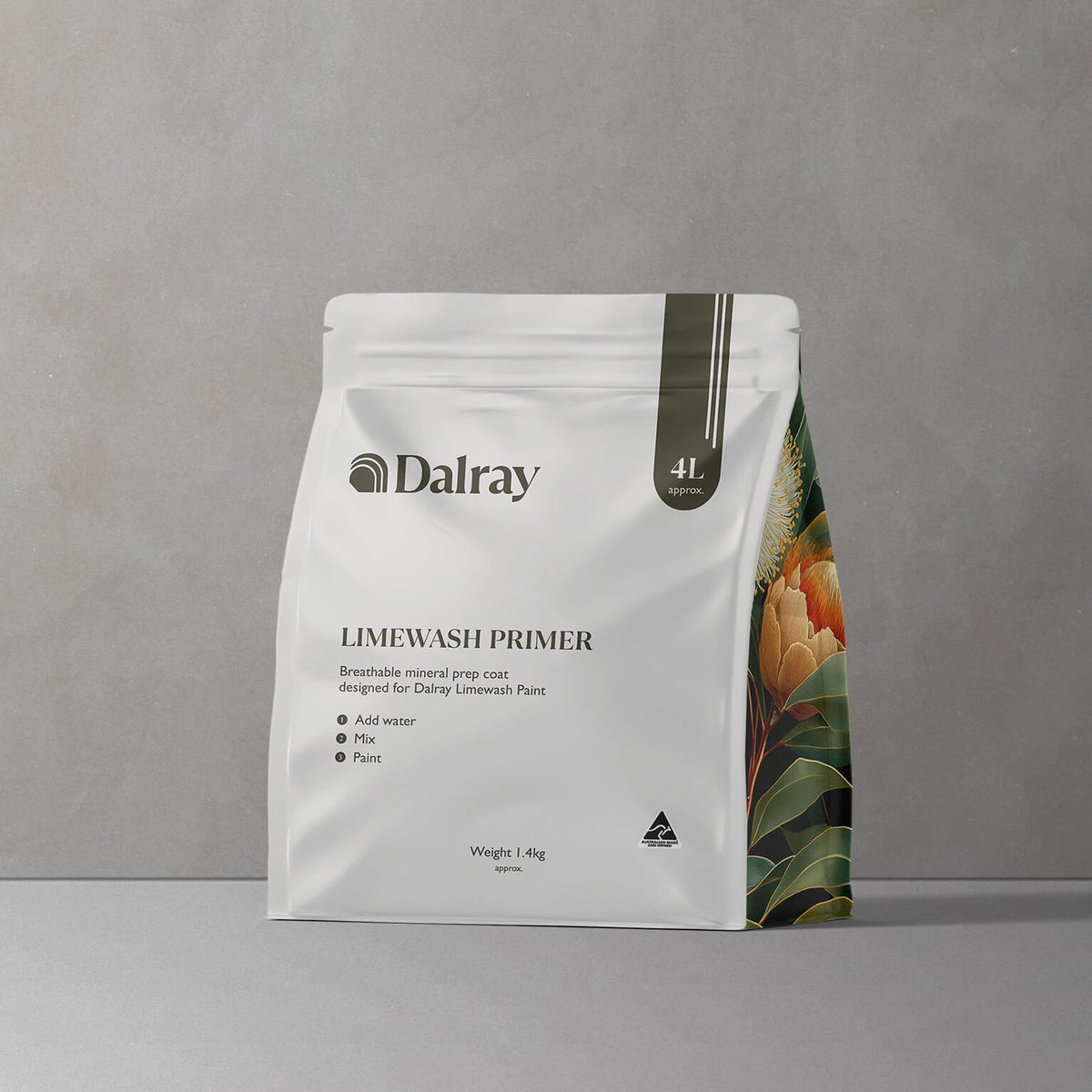
Dalray Limewash Primer (mineral prep & bonding)
Use to regulate suction and improve mineral bonding on:
fibre cement
painted walls
mixed or variable substrates
For best and most consistent results, the Dalray Limewash Primer can be applied over a water-based undercoat where both sealing and mineral preparation are required.
We do not recommend oil-based, glossy, or strong sealing primers, as these restrict breathability and may affect limewash adhesion.
Sealing is optional for most interior limewash walls. Leaving limewash unsealed preserves its natural breathability, matte character and ease of touching up.
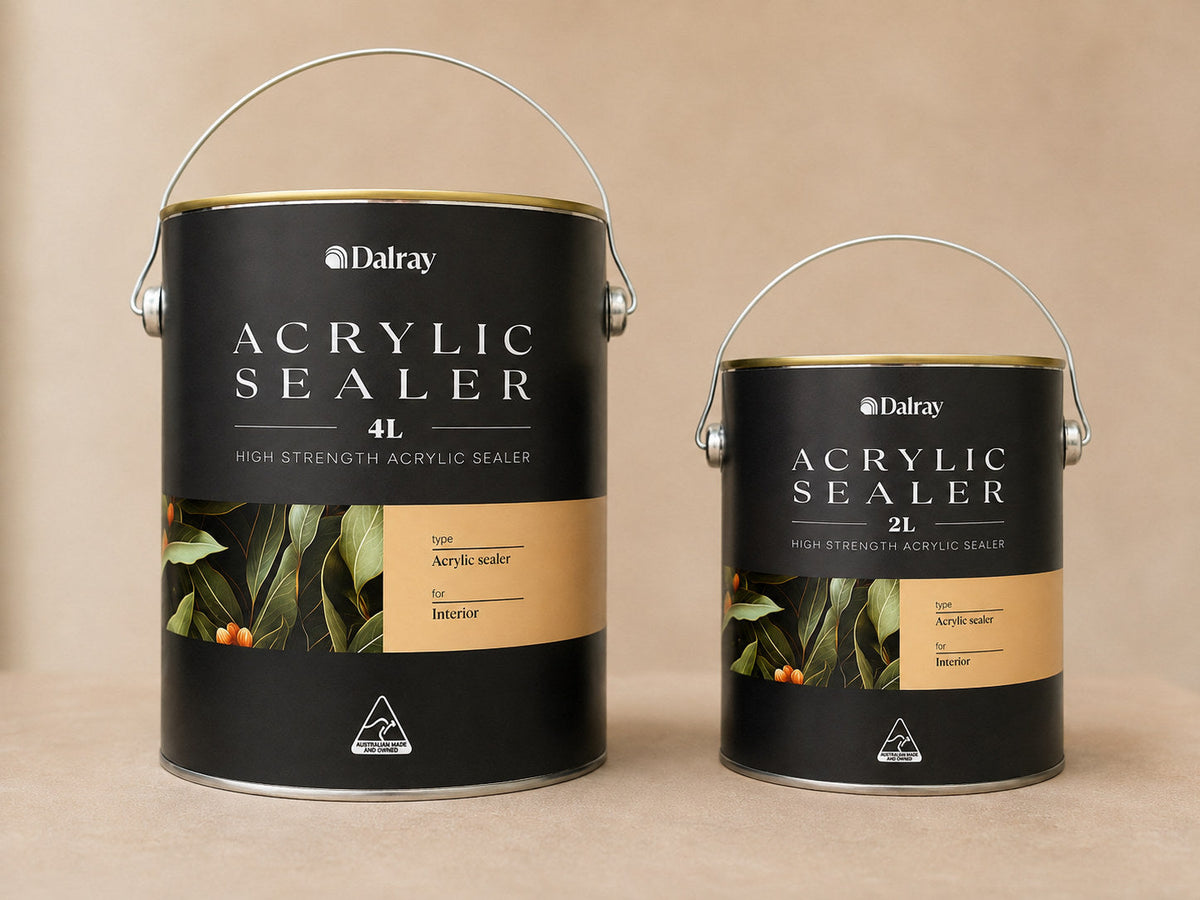
In higher-use interior areas such as hallways, entryways, busy family homes and commercial spaces, Dalray Acrylic Sealer may be applied to improve durability, reduce surface transfer and make the finish easier to maintain. As an acrylic coating, it will reduce the breathability of the limewash.
In bathrooms or other areas subject to regular humidity, use a compatible breathable mineral sealer. Dalray Acrylic Sealer may be suitable for well-ventilated bathrooms or powder rooms where humidity is limited and the surface is outside direct splash zones.
Dalray Acrylic Sealer is not suitable for exterior surfaces, floors, benchtops, wet zones or areas exposed to direct water contact, standing water or pooling water. It is not a waterproofing membrane.
Any sealer may slightly alter the colour, sheen, texture or tonal variation of limewash. Always test it on a small, inconspicuous area first.
As a lime-based product, Limewash is highly alkaline during mixing and while wet. It is recommended to wear a face mask and safety glasses during application. If skin comes in contact with Limewash paint and causes irritation, rinse with water. If Limewash Paint gets into your eyes, flush your eyes with water or an eyewash.
Tools
A bucket, kitchen whisk or mixing paddle and a block brush are necessary tools for the application of Limewash. Limewash application using a paint roller or paint sprayer is not recommended. Paint rollers create lap lines and roller marks which compromise the aesthetic of a Limewash Finish. Limewash will clog a paint sprayer.
Coverage
One full 1.6kg bag mixed with 3L of water makes approximately 4L of limewash paint. This covers approximately 30m² of smooth, properly primed interior wall with two coats.
Coverage is lower on rough or porous brick and render and varies with surface texture and application. Use our coverage calculator to estimate the bags needed for your project.
Limewash questions, answered
Choose a guide below for help with painted walls, primer selection or colour. Follow the mixing and application instructions above when you are ready to paint.
Can you limewash over painted walls?
Yes—Dalray Limewash can be applied over suitable existing water-based paint when the wall is sound, clean and correctly prepared. The important step is creating a suitable foundation for the mineral finish. Painting straight over an unknown or unsuitable coating can give an inconsistent result.
1. Check the existing surface
The existing paint must be firmly attached. Resolve peeling paint, loose material, dampness and staining before starting. Glossy, oil-based, sealed or unknown coatings need specific preparation advice; contact Dalray with the details of your surface before choosing a system.
2. Choose the preparation for your wall
On a sound wall already painted with water-based acrylic paint, Dalray Limewash Primer provides a mineral prep coat to regulate suction and improve bonding. New or patched plasterboard also needs a suitable water-based acrylic undercoat first. For particularly dark or strong colours, one to two coats of water-based acrylic undercoat can help neutralise the background before the mineral prep coat.
Dalray Limewash Primer is not a stain blocker or a plasterboard sealer. See the primer selection guide below for the difference between an acrylic undercoat and a mineral prep coat.
3. Test the complete finish
Use a limewash tester on a small area prepared with the same products you intend to use on the wall. Follow the tester packaging, apply two coats and let them dry before assessing the colour and finish. A small test also helps you practise brush strokes.
4. Apply your limewash
Once the preparation coats are fully dry, follow the mixing instructions above. Apply at least two coats with a block brush in criss-cross strokes and allow the recommended drying time between coats. Stir the paint during use and assess the finish when dry—the wet colour is substantially darker.
Does a painted wall need sealer afterwards?
Sealing is optional for most interior walls. Leave the finish unsealed where practical to retain its natural breathability. Dalray Acrylic Sealer may help protect suitable high-touch interior areas, but it reduces breathability and may change the appearance. It is not a waterproofing membrane and is not suitable for exterior surfaces or direct splash zones.
It depends on the surface. Raw, absorbent brick and render can generally take limewash directly. Previously painted walls and other less absorbent or mixed surfaces usually need preparation with a mineral prep coat. New plasterboard needs an acrylic undercoat before that mineral coat.
Acrylic undercoat and limewash primer do different jobs
A suitable water-based acrylic undercoat seals new or patched plasterboard and helps neutralise a dark background. Dalray Limewash Primer creates the mineral foundation for limewash, regulating surface suction and improving bonding. Where both functions are needed, apply them separately: acrylic undercoat first, then Dalray Limewash Primer, then limewash.
Surface
Preparation before limewash
Sound existing water-based painted wall
Dalray Limewash Primer. Use a suitable acrylic undercoat first if colour neutralisation or repairs require it.
New or patched plasterboard
Two coats of water-based acrylic undercoat, then Dalray Limewash Primer.
Very dark or strong existing colour
One to two coats of suitable water-based acrylic undercoat for colour neutralisation, then Dalray Limewash Primer.
Raw, absorbent brick or render
Primer generally not needed. The substrate must be suitable, sound and clean; coverage will be lower on rough or porous surfaces.
Painted brick
Dalray Limewash Primer after checking that the existing coating is suitable and sound.
Fibre cement
Dalray Limewash Primer. An acrylic undercoat is needed only where additional sealing or colour control is required.
Glossy, oil-based, sealed or unknown coating
Ask Dalray for advice before choosing a preparation system.
Let preparation coats dry before painting
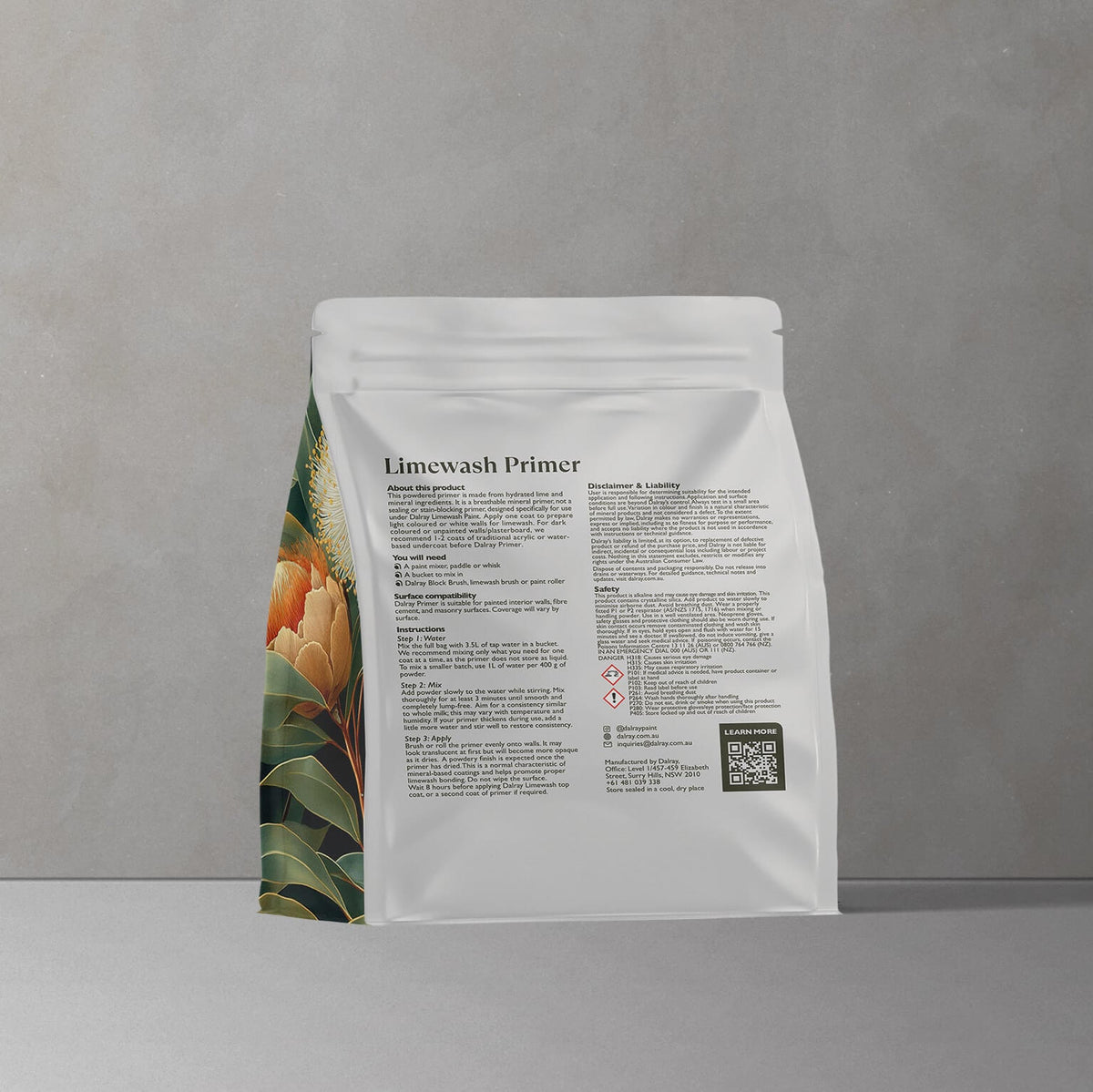
Follow the drying and application directions on each product. Mix the primer separately according to its own packaging, and allow it to dry fully before applying limewash. Do not mix primer powder into the paint.
What if the wall is stained or has dampness?
Dalray Limewash Primer is not a stain blocker and does not resolve dampness or a failing substrate. Address the underlying issue and use a suitable preparation system before applying a decorative finish. If you are unsure, send Dalray details of your wall.
Choose limewash colour in the room where it will be used. Start with the undertone and depth you want, compare hand-painted swatches against your existing finishes, then test the actual paint on a prepared surface. A screen image is a useful starting point, but it cannot show exactly how the paint will look in your light.
1. Choose a colour family
For a light white palette, compare Whitsunday White, Bianco and Byron. For soft neutrals, try Chai, Latte and Clare. These colours have different warmth and undertones, so place them next to one another rather than choosing from separate photographs.
For green, compare Silvergrass with its grey-green influence, Linden with yellow-olive undertones and the deeper earthy Ferntree. For warmer colour, compare the rosewood pink undertones of Bisque, the deep ochre of Terra and the red-brown terracotta of Villa.
2. Compare undertones against the room
Place hand-painted swatches beside flooring, stone, joinery, upholstery and white trim. Compare several on the same wall. Look at them in daylight and with your evening lights on, including both bright and shaded areas of the room. Warm lighting and surrounding finishes can change how you perceive a neutral.
3. Test the finish, not just the colour
Apply a tester to your intended surface after the correct surface preparation. Use the same brush technique and number of coats you plan to use for the room. Limewash lightens substantially as it dries, so wait until both coats are dry before choosing.
The brush technique, surface and lighting all influence the visible movement. If you intend to use Acrylic Sealer on a suitable interior wall, test that complete system too: sealer may change colour depth, sheen and mottling.
4. Compare your nearest alternatives
Choosing between Chai and Latte? Chai is a warm neutral, while Latte is a balanced grey-beige. Choosing between Byron and Whitsunday White? Byron is a sandy white sitting slightly deeper than Whitsunday White, Dalray’s lightest shade. Compare both in the same position and at the same time of day to make the difference easier to judge.
These images from the Dalray product gallery show how different colours sit with furnishings and other finishes. Use them to narrow your shortlist, then check the actual paint in your space.