

About limewash
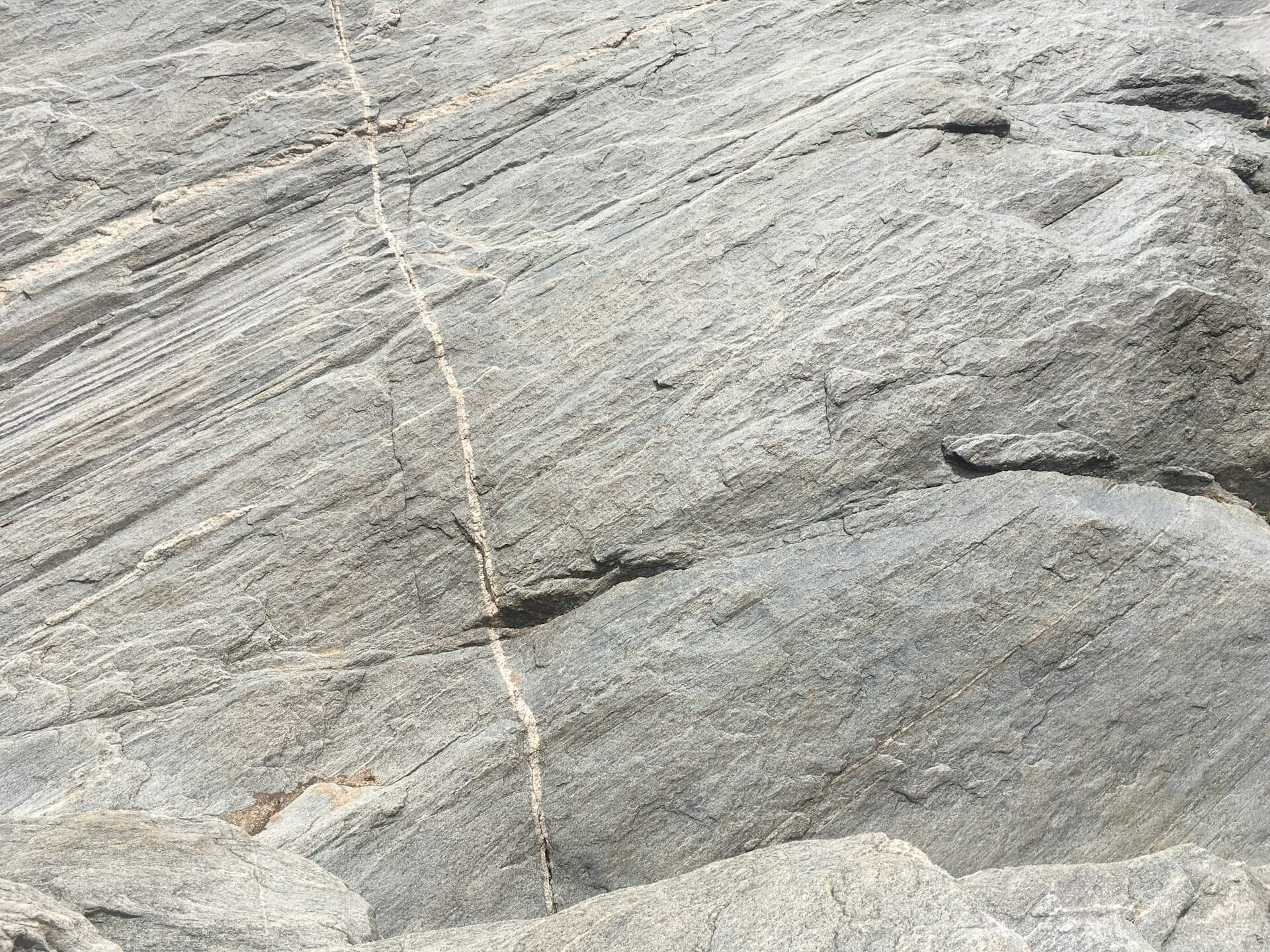
Limewash is produced from crushed limestone combined with water to form hydrated lime. Hydrated lime, in its powder form, is used in a variety of production and manufacturing processes to remove impurities from other compounds substances.
To create limewash in its paint form, the hydrated lime in its powder form is tinted with mineral pigments. Mineral additives also help the pigments bind to the hydrated lime and assist with cohesion of the lime to the surface that is being painted. When water is added, this limewash mixture forms a paint that results in surfaces that are mottled and matte, with a chalky texture reminiscent of suede. It adds depth and luminosity to flat walls.

Limewash paint has ancient roots, having first been used in the Roman and Mediterranean regions. It offers several natural benefits: it is mineral-based and eco-friendly. Its high pH level makes it resistant to bacteria and mold.
Limewash is also highly breathable, meaning it allows moisture to pass through the surface. This is important for brick and render, as it helps to prevent the buildup of moisture inside walls, which can lead to issues like damp, mold, or structural damage. The porous nature of limewash ensures that any trapped moisture can evaporate, keeping the structure dry.
Limewash has a naturally mineral-based composition and is low in VOCs (volatile organic compounds), resulting in virtually no odour during application.
Limewash paints are suitable for use almost anywhere, except in surfaces that are more prone to wear and tear.
Read our latest journal posts to learn more

Introducing Dalray Primer: A breathable foundation for limewash

How to get the most out of your limewash
Learn how to get the most texture out of your limewash using thin layers, the right brush technique, and a simple method for that soft, cloud-like movement. Includes practical tips on layering, brush control, and when to stop for the best natural finish.

Five differences between venetian plaster, micro cement and limewash paint
When choosing a wall finish, the decision often comes down to the balance between aesthetics, durability, ease of application, and cost. Limewash paint, Venetian plaster, and microcement each offer unique characteristics, but they also come with different benefits and challenges. Here’s a comparison of these three popular finishes to help guide your choice.
Plan your limewash project
Explore limewash colours, compare hand-painted swatches, or try a tester. Shop Dalray Limewash Primer, a block brush or a Prime & Paint Bundle. Use our coverage calculator to plan quantities.
Read our guides to limewashing painted walls, choosing a primer and choosing a colour. For outdoor surfaces, see exterior limewash.